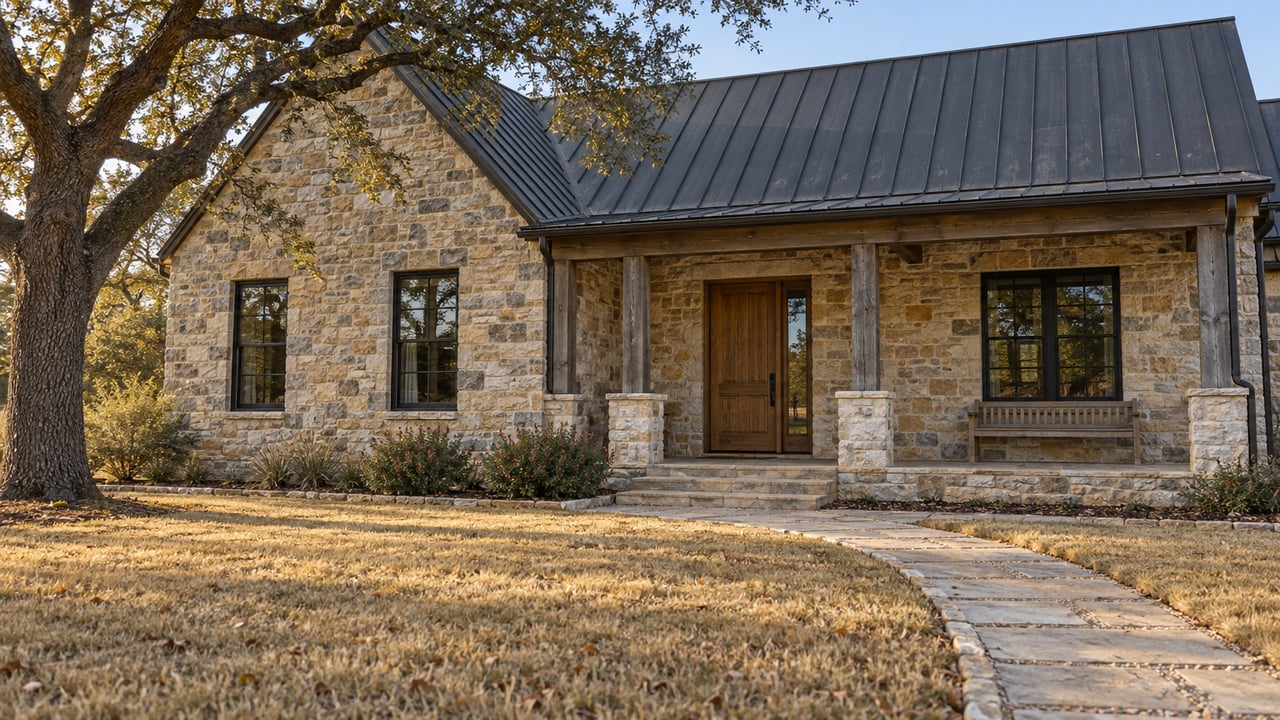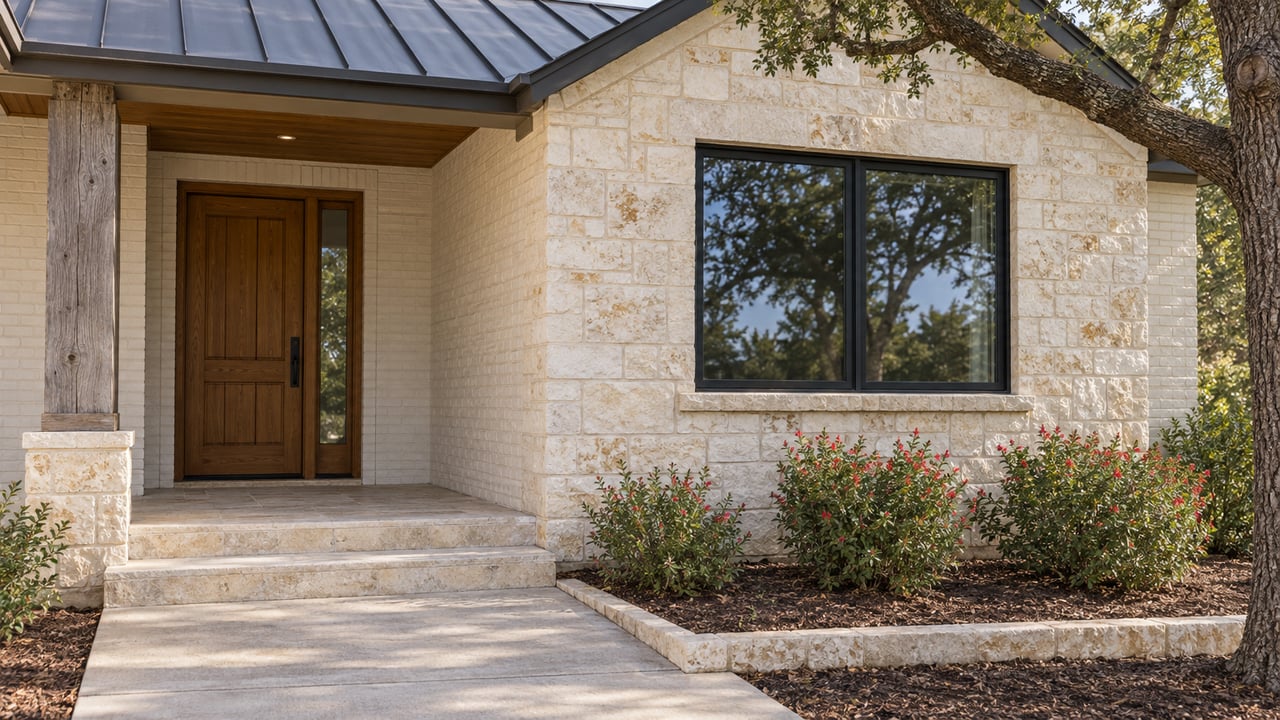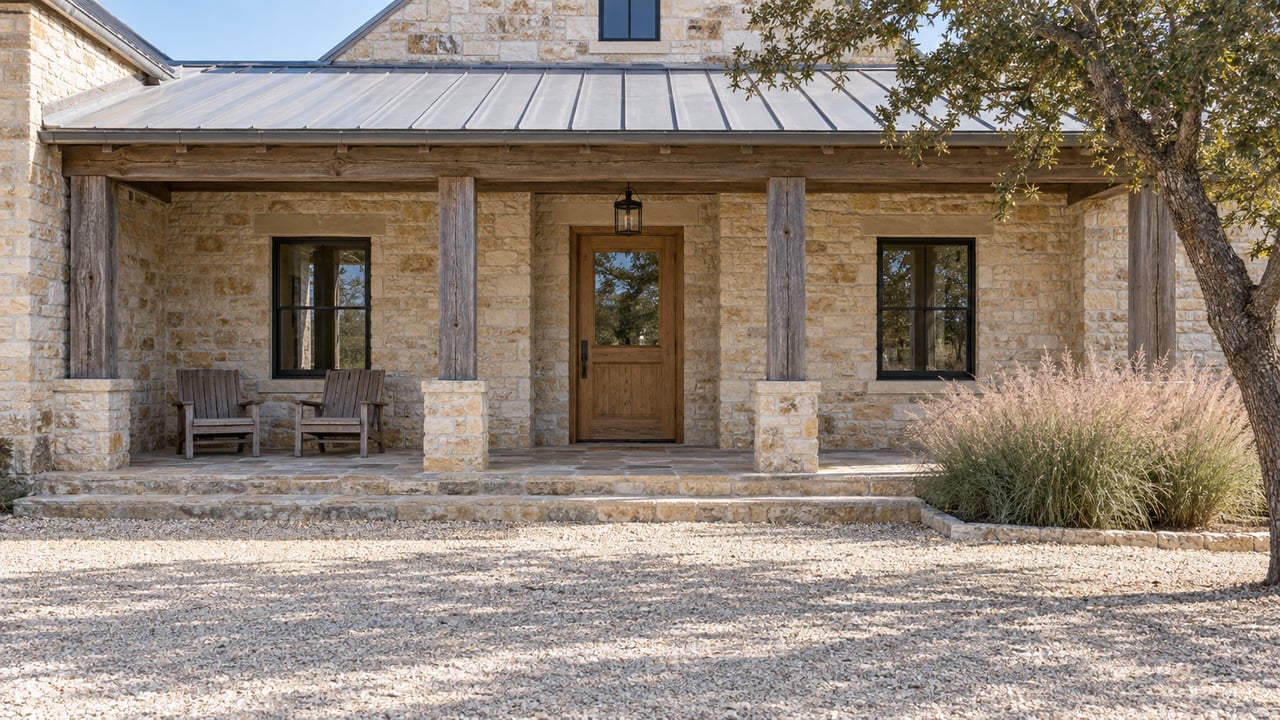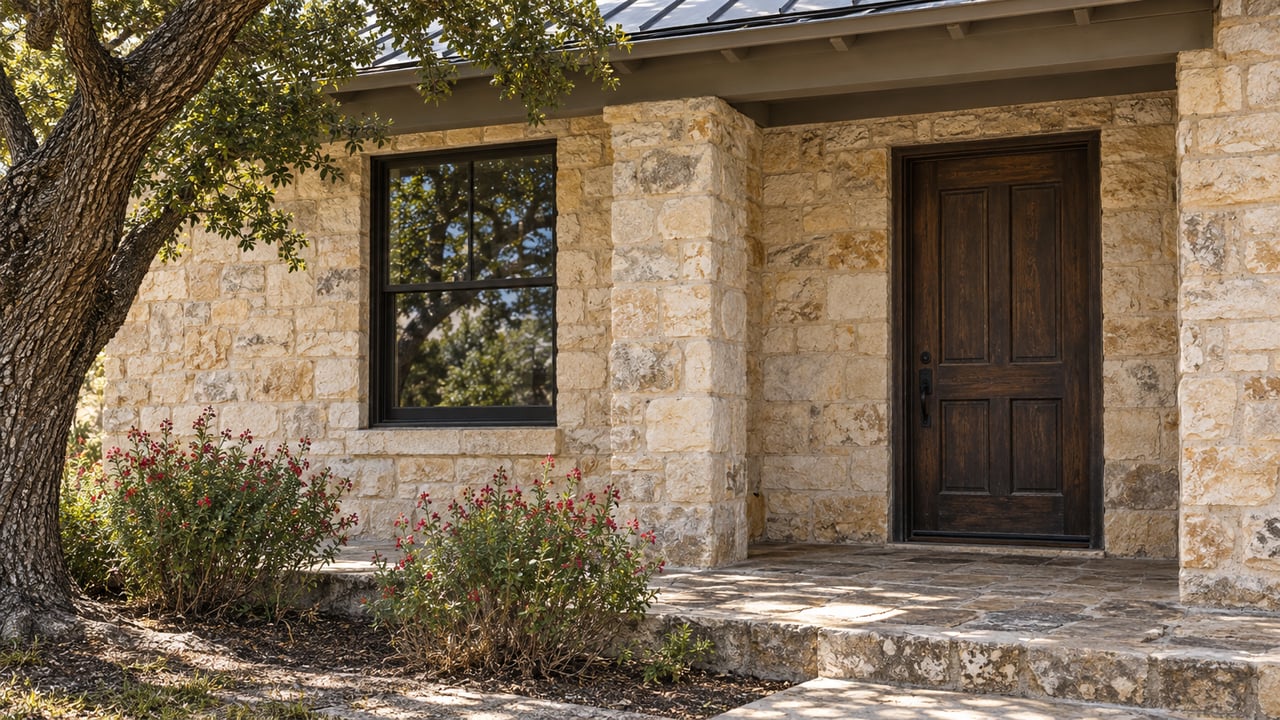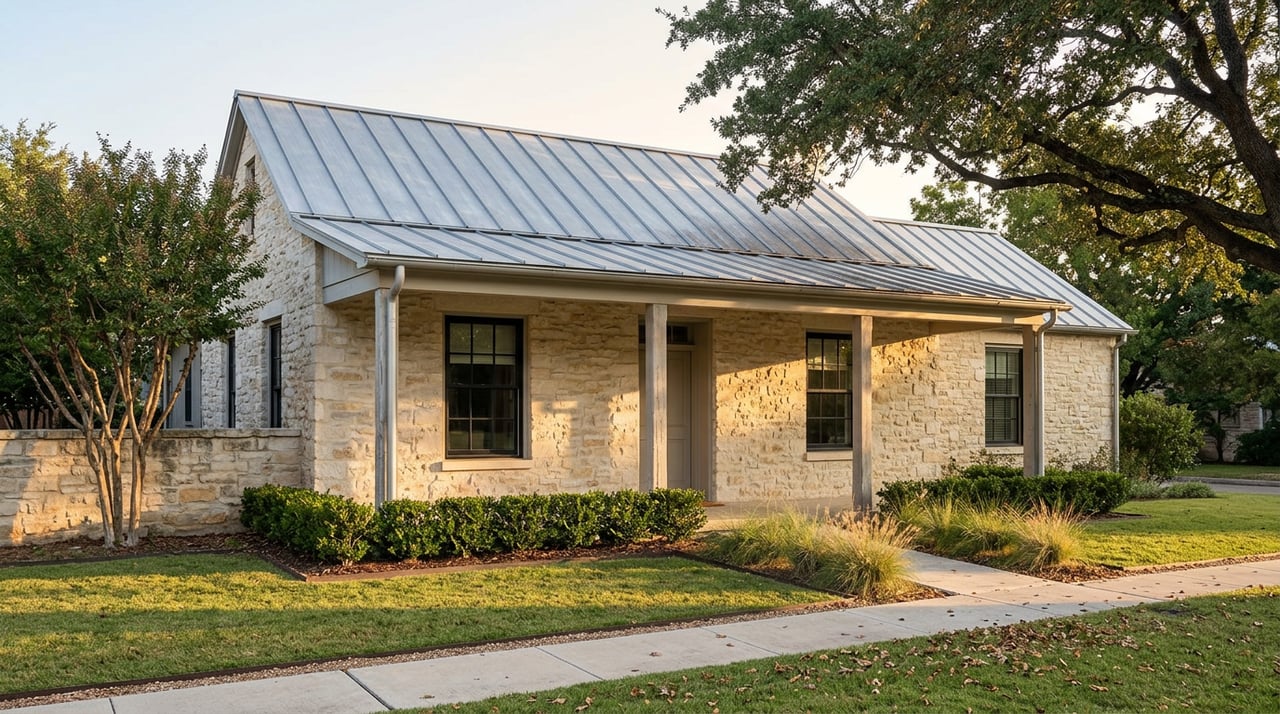
Walk two blocks off Main Street and you can find them: two limestone cottages, same era, same square footage, same three bedrooms and one bath, listed within a few thousand dollars of each other. An investor comparing them on paper would call it a coin flip. It isn't. According to STR Profit Map, one of those cottages carries a short-term rental permit that predates April 2022 and has been renewed every year since. The other lost its permit eleven months ago when a previous buyer let the 90-day transfer window described by Fredericksburg STR Association close without realizing it was running. Today, one of those houses can legally take a guest tonight under the City of Fredericksburg's permit rules. The other cannot, and under the city's current zoning math, it may never be able to again, as Fredericksburg STR Association explains.
That gap has nothing to do with the house. It has everything to do with paperwork that doesn't show up on a listing sheet, doesn't get inspected by an appraiser, and doesn't transfer just because a deed does.
The 90 Days That Start the Moment You Close
Fredericksburg's short-term rental rules live under Section 20.222 of the Zoning Ordinance and Chapter 23, Article V of the Code of Ordinances, and the city has been tightening them steadily since the original 2022 overhaul. Any property inside city limits rented for less than 30 days needs a permit. Properties out in the extra-territorial jurisdiction don't need a city permit at all, though they still owe county and state hotel occupancy tax, which is a separate obligation that doesn't disappear just because the zoning does.
The detail that trips up buyers is what happens to a permit already in place when the property changes hands. A permit issued before April 1, 2022 and kept in good standing is classified as non-conforming, or grandfathered, and it can keep operating under older, more permissive 2018 rules even in a zone where a brand-new short-term rental would no longer be allowed. That status is valuable. As StayInTX explains, it is also personal to the current owner in a way that surprises people: it does not travel automatically with the sale. A new owner has to apply for the permit in their own name, and city documentation puts that application window at 90 days from the purchase date. The unit still has to pass inspection as part of that transfer, the same as a first-time applicant.
Ninety days sounds generous until you count what fills them. Closing paperwork, insurance setup, maybe a round of repairs before the first guest checks in. It is entirely possible to be a diligent new owner, genuinely intending to keep the rental running, and still miss a filing deadline you didn't know existed because nobody mentioned it existed.
Why the Zoning Math Makes the Deadline Absolute
In most cities, missing a permit renewal is an inconvenience. You reapply, you pay a fee, you move on. In Fredericksburg's residential zones, it can be closer to permanent.
Under the current ordinance, new non-owner-occupied short-term rental permits in R1 and R2 zones face what the city calls a stranded property test. To even qualify for a special exception through the Zoning Board of Adjustments, a property must share two property lines with parcels that are either already permitted as non-owner-occupied short-term rentals or zoned commercial (C2, CBD, or Public Facility, schools excluded). On top of that, at least half of the properties within a 200-foot radius have to meet that same standard. In practice, that only works in pockets where short-term rentals already cluster. A single-family home surrounded by owner-occupied neighbors, however charming, is not going to clear that bar.
Commercial zones are more forgiving. C1, C1.5, C2, and CBD districts generally allow short-term rentals by right, with one exception: STR-Condo permits stopped being issued altogether as of 2024, no matter how good the location. So a condo unit that lost its grandfathered status doesn't get a second chance under any zoning designation. That door is closed permanently.
This is the mechanism an ADR comparison never shows you. A softening rental market is a pricing problem, something a smart operator can adjust around with better photos or dynamic rates. A lapsed permit in a zone that can't support a new one is a legal problem, and no amount of good management fixes it.
Here is how the two rule sets actually compare for someone deciding what they're buying:
| Non-Conforming Permit (issued before April 1, 2022, maintained in good standing) | Current 2024 Ordinance (new applications) | |
|---|---|---|
| Occupancy formula | 1 occupant per 200 sq ft of floor space | 2 per bedroom plus 2, capped at 12, all ages counted |
| Parking requirement | 1 off-street space per unit; additional on-street parking allowed with 22 feet of lot frontage | 1 off-street space per bedroom, tandem parking allowed |
| Pool and hot tub setbacks | Original setbacks preserved | Current setback rules apply |
| New permits in R1/R2 | Not applicable, already permitted | Requires passing the stranded property test through the Zoning Board of Adjustments |
| STR-Condo | Can continue if grandfathered | No longer issued under any circumstance |
| What happens at sale | Does not automatically transfer; new owner must apply within 90 days and pass inspection | Standard new-owner application and inspection process |
What the Occupancy Numbers Are Actually Telling You
Market data on Fredericksburg's short-term rental performance for 2026 varies depending on which platform you pull it from, and the spread itself is instructive. One widely cited dataset puts average annual revenue per listing around $36,200, with occupancy near 40 percent and average daily rates close to $334. Another puts median annual revenue closer to $39,086, occupancy at 44 percent, and average daily rate around $270, with top-performing properties clearing more than $61,000 a year. Neither number is wrong. They're measuring an inventory that grew faster than demand did, so the average has softened even as strong operators keep pulling ahead of it.
Seasonality explains where that strength concentrates. According to 2026 seasonal tracking, March is Fredericksburg's strongest month for occupancy, running close to 51 percent on wine season and spring wildflower travel, with the broader March-through-May window averaging around 47 percent. That is the stretch where most of a property's annual revenue gets recovered, and it is also, not coincidentally, the stretch where a permit gap costs the most. A three-bedroom cabin with the standard $150 base fee plus $100 per bedroom runs about $450 to permit and inspect. Missing spring because a transfer application is still sitting in review costs a lot more than that in lost nights.
This is the part a pure numbers comparison misses. The listing with a live, transferable grandfathered permit isn't just cheaper to operate. It's the only one of the two properties that can actually capture that spring window without a gap.
The Diligence List Worth Running Before You Write an Offer
Before an offer goes in on anything marketed as an income property in Fredericksburg, confirm a short list of specifics directly rather than assuming them from the listing description:
- The exact permit issue date, and whether it predates April 1, 2022
- Whether the permit has been renewed every year without a lapse, since good standing is part of the grandfathered definition
- Whether the address sits inside city limits or in the ETJ, since that changes which rules apply entirely
- The property's zoning classification, and if it's R1 or R2, whether it would meet the stranded property test as a fallback
- The seller's hotel occupancy tax filing history, since non-remittance triggers an automatic 90-day suspension
- Whether the property has had three or more major violations in the past 12 months, which can trigger City Council review
None of this shows up on a portal listing. Most of it is a phone call to the city's development services office or a records request away.
A Few Questions Worth Asking Directly
Does buying in the ETJ avoid all of this? It avoids the city permit requirement, but not the tax obligation. County and state hotel occupancy tax still applies,
If a seller says the permit is grandfathered, is that enough to rely on? Not on its own. Grandfathered status only holds if the permit has stayed in good standing continuously.
How much time does a buyer actually have after closing? City documentation points to a 90-day window from the purchase date to apply for the permit in the new owner's name, with an inspection required as part of that process.
Fredericksburg's wine country draw and its Hill Country setting are what make a short-term rental here worth considering in the first place. But the property that performs well on paper and the property that can legally keep performing are sometimes two different addresses, and the difference lives in a filing date, not a floor plan. If you're weighing a short-term rental purchase in Fredericksburg, or trying to figure out whether a specific address still carries a live and transferable permit, Wynne-Smith Horton Real Estate Group can walk the zoning and permit history with you before you write an offer, not after. You can also learn more about Fredericksburg as a market on our neighborhood page, browse more on our buyer resources, or connect directly with Brittney Horton, whose background in entrepreneurial marketing and construction-informed property evaluation lines up closely with what an income-property purchase actually requires. Contact Us when you're ready to look at specific addresses.
This article is general information, not legal, tax or financial advice. Consult a qualified professional about your situation.